 white studio
How Much Does Furniture Photography Cost? Per Image, Day Rate & Pack Alternatives
By Vee S. · Founder, White Studio
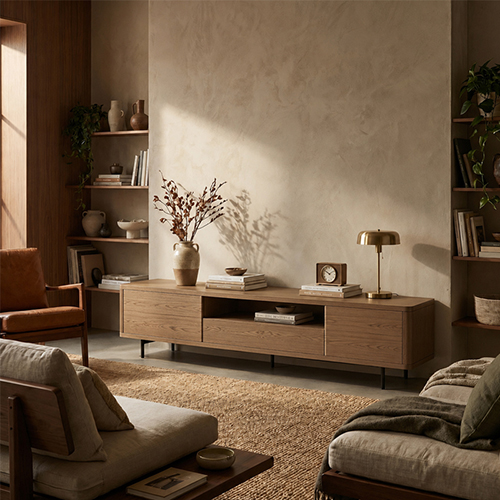
Furniture photography costs more than small-product shoots because studios must move large pieces, light big surfaces, style rooms, and retouch materials carefully. Public industry writeups in 2026 commonly put traditional furniture work in a high per-image or multi-thousand-dollar day-rate band once logistics and styling are included. White Studio is a different cost model: upload 1–3 real product photos and get designer-curated white-background, lifestyle, and detail images as Lite ($39) or Standard ($99) packs in 24 hours—image-to-image from your product, not a text prompt inventing a new SKU.
This guide is for ecommerce and brand teams comparing a vague per-image quote with a multi-thousand-dollar shoot day. It covers what you pay for, white-background vs lifestyle vs detail cost, why catalogs blow up on per-SKU math, and where curated packs sit between DIY generators and full studio crews.
How much does furniture photography cost?
Traditional furniture photography is expensive because of logistics + space + styling—not just the shutter click. Once studio time, transport, props, and retouching are included, finished images often land in a high tens-to-hundreds-of-dollars per-image band, and lifestyle or full day rates push into the multi-thousand-dollar range. Curated AI packs built from real product photos sit far below that all-in studio path while still covering white-background, lifestyle, and detail needs for listings.
There is no single honest number for every brand. What is consistent:
- Furniture is not a bottle on a table. Size, weight, and room context drive cost more than camera choice.
- Quotes hide scope. A day rate that excludes styling, retouching, or freight is not comparable to an all-in gallery price.
- Catalogs multiply. Angles × lifestyle scenes × finish variants × SKU count is where budgets break—not the first hero sofa.
For method comparison (studio vs DIY AI vs curated packs), read AI furniture photography vs traditional photography.
What you’re actually paying for in a furniture studio shoot
A furniture shoot invoice rarely equals “photographer + camera.” The bill reflects a production chain:
Space for large pieces. Sofas, beds, and dining tables need floor area, ceiling height, and lighting that wraps big surfaces. Studio rental is a real line item in major markets.
Transport and handling. Trucking samples, elevator clearances, reassembly, and damage risk burn budget before capture starts. Inventory in a shoot bay is inventory you cannot sell.
Photographer (and often assistant) time. Day rates cover setup, capture, and on-set problem solving. Complex silhouettes and reflective finishes slow the day.
Stylist, props, and set dressing. Lifestyle scenes need floors, walls, rugs, plants, and art direction. That labor is why lifestyle usually costs more than a clean packshot.
Retouching and file prep. Color, shadows, dust, fabric wrinkles, and marketplace crops are post-production hours—not free extras.
Coordination. Scheduling the bay, approving proofs, chasing revisions, and uploading to Shopify or Amazon is internal cost even when it never appears on the photographer’s quote.
When you evaluate furniture photography pricing, ask what is included: image count, lifestyle vs white background, revision rounds, usage rights, and delivery timeline. A lower day rate that excludes retouching can outspend a higher all-in package.
Cost by image type: white background vs lifestyle vs detail
Not every frame costs the same to produce—or to justify on a PDP.
White-background / packshots
Clean catalog heroes and angles on white. Faster traditionally than full room builds, still non-trivial for large furniture (shadows, scale, edge cleanup). These support Amazon main images, shopping feeds, and wholesale line sheets.
Lifestyle / room-context scenes
The product in a believable interior. Highest traditional cost driver: set build, props, styling time, and sometimes location fees. Shoppers need these for scale and style fit—cutting lifestyle to “save money” often just moves cost into lower conversion.
Detail and material close-ups
Fabric weave, wood grain, hardware, joinery. Comparatively cheaper per frame than a full lifestyle set, but still need careful lighting and retouching. They answer “what does it feel like?” that a distant room scene cannot.
Why lifestyle photography cost spikes
Furniture lifestyle photography cost rises because you are buying a temporary room, not only a photo. Props, floors, and styling hours stack. Rational for a flagship campaign; painful when every SKU needs six believable contexts under traditional production.
A practical listing set usually needs all three types—not white BG alone. For gallery composition, see what is AI furniture photography and AI furniture photography.
Per-image vs day-rate math (and why catalogs blow up)
Studios often quote day rates or per-image fees. Both can be fair—and both mislead if you stop at the headline.
Day-rate thinking: One productive day might yield a handful of finished images depending on complexity and how many pieces move through the bay. Lifestyle resets reset the clock.
Per-image thinking: A single retouched lifestyle frame can sit in a high price band once styling and post are included. White packshots land lower; details somewhere in between. The trap is multiplying a “cheap” per-image number by the gallery you actually need.
Catalog math that hurts:
- Images per SKU (white angles + lifestyle + details)
- × SKUs in the drop
- × finish / fabric variants that need their own visuals
-
- freight, storage, and reshoot risk
That is why furniture product photography cost per image looks manageable on a one-sofa pilot and terrifying on a 40-SKU refresh. Boards care about fully loaded cost to launch the catalog—not the first shutter click.
Hidden costs: damaged samples, inventory freeze, missed launch windows, and internal approval hours. Seasonal collections that miss a photography slot carry opportunity cost, not just invoice cost.
DIY AI tools vs designer-curated services on cost and risk
Subscription generators and cutout apps can look cheapest on a spreadsheet. For furniture catalogs, the risk is product drift and unpaid QA time—not only “looks AI.”
DIY / prompt tools answer: “What might a modern gray sofa look like in a coastal room?” They invent pixels. Arms thicken, legs shorten, wood tones warm into something you do not sell. Someone still regenerates and debates fabric match. The “free” tool becomes an unpaid studio.
Cutout-only apps solve warehouse backgrounds. They do not deliver a coherent white + lifestyle + detail pack with consistent art direction.
Designer-curated image-to-image packs start from photos of the piece you sell. AI rebuilds lighting and scenes around that product; humans catch fidelity failures before download. Cost savings come from skipping freight and bay rental—not from inventing a different SKU.
White Studio’s differentiator is deliberate: real-product image-to-image + designer curation, not another Midjourney wrapper. That is the mid-path between DIY subscriptions and full traditional crews.
Validate quality against your studio quote without booking a bay. Order Lite at $39 (four designer-curated images from 1–3 real product photos). If fidelity holds, expand to a full listing pack.
White Studio pack pricing as a cost alternative
White Studio prices as listing packs, not day rates:
| Pack | Approx. price | What you get | Best for |
|---|---|---|---|
| Lite | $39 | about 4 images (1 white-background, 2 lifestyle, 1 detail) | Quality test vs a studio quote; unblocking a thin listing |
| Standard | $99 | about 16 images (4 white-background, 6 lifestyle, 6 detail) | Full listing launch across channels |
How it works:
- Capture 1–3 photos of the real product (phone is fine if the piece is fully visible and color is roughly true).
- Upload and choose direction—category and lifestyle preference; you are not writing paragraph prompts.
- AI generation + designer curation for commercial readiness.
- Download in 24 hours—stills ready for listings, ads, and marketplace uploads. Product video can be ordered independently from your product photos.
Map packs to goals: Lite proves the pipeline on one mid-tier SKU; Standard replaces the multi-angle + lifestyle + detail set that multiplies traditional per-image math. See pricing and order.
You are buying a constrained pipeline: real product in → listing pack out, with art direction in the middle. Compare that to fully loaded studio logistics for your SKU count and calendar—not a single day-rate headline.
When a traditional shoot is still worth it
Keep (or book) a physical crew when:
- A flagship campaign, brand film, or print mandate is the creative product
- Partners contractually require photographic capture of the exact unit
- You need on-set video, 360°, or bespoke editorial narratives
- Materials are so unusual that stakeholders demand physical-sample verification beyond listing imagery
- One-of-a-kind art pieces where the shoot itself is brand storytelling
For marketplace galleries, Shopify PDPs, finish refreshes, and long-tail variants, curated packs are usually the rational default. Common hybrid: shoot heroes traditionally; scale the rest with image-to-image packs from phone or factory photos. Method detail: AI furniture photography vs traditional photography.
How to compare quotes apples-to-apples
When a studio or vendor sends a proposal, ask:
- How many retouched images are included per product?
- Are lifestyle scenes extra, and how many props/sets are assumed?
- Who handles styling, and is that in the fee?
- What is the revision policy?
- What file sizes, crops, and formats do you deliver?
- What usage rights are granted for web, marketplace, and ads?
- What is typical turnaround from shoot (or upload) to final files?
- What happens if a sample is damaged in transit?
Answers make line-item comparisons possible. Place White Studio pack prices on the same sheet as your all-in studio math for one SKU, then multiply by catalog volume. Commercial-use details for White Studio live on the FAQ.
FAQ
How much does furniture photography cost per image?
Traditionally, finished furniture images often land in a high tens-to-hundreds-of-dollars band once studio, styling, and retouching are included—lifestyle at the upper end. Day rates can look cheaper until you divide by usable finals and add freight. Curated packs change the unit: White Studio Lite $39 (about 4 images) and Standard $99 (about 16 images) are pack prices, not open-ended day rates.
Why is furniture photography more expensive than small-product shoots?
Large pieces need space, careful lighting, transport, and often room styling. Materials demand retouching care. Shoppers also expect lifestyle context that small SKUs can sometimes skip.
What drives furniture lifestyle photography cost?
Set builds, props, stylist time, and resets between scenes. You are paying for a temporary room as much as for camera work—why lifestyle traditionally outpaces white-background packshots.
Is a day rate or per-image quote better?
Neither is automatically better. Day rates reward efficient batching; per-image quotes clarify gallery scope. Always convert both into fully loaded cost per finished image you will publish, including logistics and revisions.
Can phone photos replace a studio for cost control?
For listing stills, yes—when the workflow is image-to-image from the real product with human curation. Phone capture in a workshop or showroom plus a curated pack avoids freight and bay rental. Prompt-only generators that invent a new sofa are a different (riskier) bet.
When should I still pay for a traditional furniture shoot?
Hero campaigns, brand films, contractual photographic proof, complex motion/360 needs, and extreme materials that stakeholders will not approve from listing imagery alone. Use curated packs to scale the rest of the catalog.
How do White Studio packs compare on turnaround?
Image packs are delivered in 24 hours after payment and material acceptance—useful when merchandising calendars cannot wait for the next open studio bay. Confirm current pack contents and independent video services on pricing.
Next step: price the gallery you actually need
Furniture photography cost in 2026 remains significant for traditional production—especially when lifestyle and detail coverage span a full catalog. Logistics, styling, retouching, and coordination all contribute. For many sellers, that math only works for a subset of SKUs unless they add a scalable path that preserves the real product.
When you want a complete white-background + lifestyle + detail set from photos you already have, choose the Standard pack at $99 and start an order. Prefer a low-risk first look against your studio quote? Begin with Lite at $39, then scale what works.
Explore what is White Studio, AI furniture photography, pricing, and order—plus what is AI furniture photography, and AI furniture photography vs traditional photography.